
Steps taken for smart development
On April 13, 2021, The Burg magazine summed up a virtual City Council session. The Burg does this a lot and the views on such posts are always tiny compared to their stories about festivals, protests, and other livelier events. Government, when done right, is a very dull affair. Buses run on time, trash gets cleaned up, public amenities are maintained so life can go about unhindered. However, Harrisburg’s City Council is thinking beyond the humdrum day to day with their latest package of passed bills. The results of that foresight should be interesting to watch.
If you haven’t already read the article, you should do that now.
Do you see why we’re writing a post about the piece about the new laws? Or did the deluge of developer lingo make your eyes glaze? Tax abatements, zoning relief, and street vacations are not common parlance for most folks. Luckily, Habitat for Humanity’s whole 9-5 is devoted to making housing accessible to everyone. If this raft of bills has us excited, then you know it’s a big deal.
Why is Harrisburg concerned about affordable housing development?
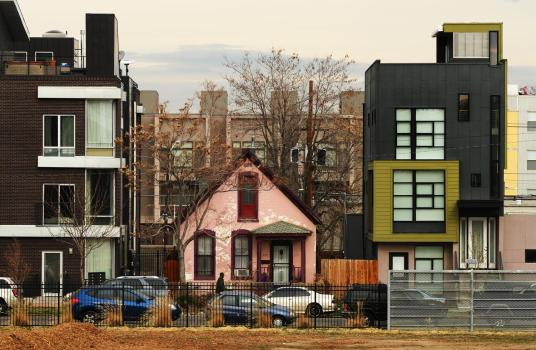
Development in Harrisburg City limits has long been lacking. While the wider “Harrisburg Area” has been growing for the past 70 years (one of the few metros in Pennsylvania with a consistently positive population growth rate), the city proper lost roughly half of its population in the same amount of time. The folks who stayed or moved into the city have been majority minority and have a far lower average income and collection of assets than their suburban peers.
Small housing development projects have been steadily building steam in the city over the past decade. Most of them have converted office spaces into market rate apartments. Market-rate housing is an apartment that has no rent restrictions. A landlord who owns market-rate housing is free to attempt to rent the space at whatever price the local market may fetch. In other words, the term applies to conventional rentals that are not restricted by affordable housing laws. But development of any sort has been absent forever so any new thing is good news, right?
For some, yes. For others, the development wind shift is setting off alarm bells. If the market for attractive, market-rate apartments continues to grow, the market rate will grow, too; eventually driving prices far above long-time residents’ ability to pay them. Harrisburg City Council has seen it play out in other cities and has asked developers to consider affordable unit building to offset this potential forecast. However every developer sings the same tune: affordable units are not investments worth making. In other words, affordable housing units – while good for low-income residents – do not add up financially for the developers building the units when they could use their investments on much higher returns with market rate units instead.
What is this new affordable housing program supposed to do?
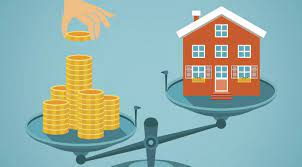
In a nutshell: use incentives to make the affordable unit investment add up for developers.
Harrisburg proper has a lot of extra hurdles for development when compared to its neighboring townships and municipalities. Things like parking restrictions, higher real estate taxes, and zoning rules for where and how a development can build. Navigating all of these details adds time and monetary costs to any urban development. City Council hopes that trimming down these barriers, in exchange for developers agreeing to make at least 20% of their units affordable, will finally make those units attractive to developers.
For an example:
A developer wants to build a 50 unit apartment building. The market rate for each apartment is $1,000/mo. If the developer sets aside 10 units as affordable, then those 10 units may rent for less than $1,000/mo based on the renter’s income.
$1,000 a month is affordable if the cost does not exceed 30% of the renter’s household income. In the above example, the household income would need to be $40,000 or higher to afford the market rate. Harrisburg’s average household income today is $39,685. Those numbers are close now but may not be for long. Market rates can increase fast if the demand is high; long time residents income doesn’t grow as quickly.
Why should it concern me?
If you read these, you have an interest in Habitat for Humanity’s mission of affordable housing for all. Making that a reality is far more complicated and massive than simply building new houses with volunteer labor and donated supplies. We need developers to be a part of the solution if we want Harrisburg’s new growth to help all of its residents – regardless of household income. You likely have someone in your life that will be directly affected by these new incentives. If they work as intended, our shared mission will take one big step forward.
But this is a first for Harrisburg. City Council is trying to sweeten the well to encourage developers to drink. However, it’s still a voluntary initiative; developers can ignore it and keep working with the formula they’ve been using since Harris set up his ferry. If you want to see affordable housing succeed, draw attention to this initiative. Public perception of a developer’s civic duty (or lack thereof) can have a huge impact on what projects they pursue in the future. It’s more than parking variances and tax abatements. Your voice and actions matter.
Stay engaged.
-Zac Monnier, ReStore Assistant Manager & City Commissioner